
Alicante guide · Alirena
A day in Tabarca
You leave at 11, eat caldero, walk the loop, slip into a cove and come back at seven. That's the day.
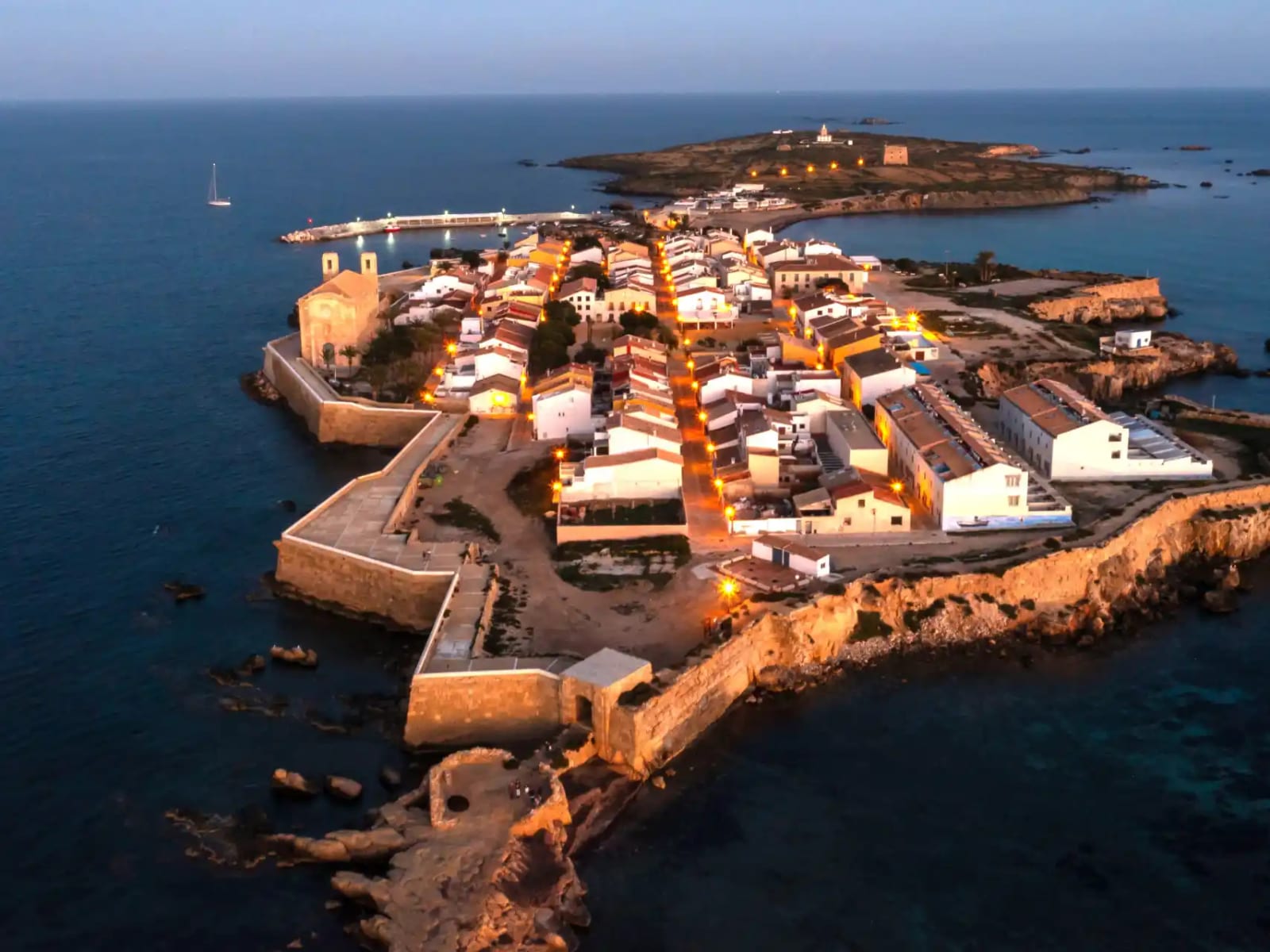
Tabarca is the only inhabited island in the Valencian Community. It's about 11 nautical miles from the port of Alicante (around 45-50 minutes by boat) and lives off fishing, day tourism and the two hundred residents who stick out the winter. It's the classic trip from Alicante: you arrive, eat caldero, swim in waters that are a marine reserve, and come back.
How to get there
From the city of Alicante, the company that connects directly with the island is Cruceros Kontiki, which leaves from the port (next to the Explanada). Ticket: €24 return for an adult (free for ages 0 to 4). Crossing: 45-50 minutes. Approximate departure times from Alicante: 10:45 and 12:00 on weekdays, with an extra departure (13:15) at weekends; returns in the afternoon. In summer the frequency increases; in winter it drops to one departure a day. Always confirm the day's timetable at the ticket office at the port, because it depends on the state of the sea.
If you have a car, there's also a catamaran from Santa Pola (faster, around 25 minutes) and seasonal boats from Benidorm, Torrevieja and Guardamar.
When
June and September are the perfect months: water at 22°C, an island that's alive but not overrun. In July and August the boat flies out full and the island takes in 3,000 people a day. It loses its charm. In winter there's barely any ferry but the island is perfect for hiking (you can walk the whole of it in an hour).
What to do in six hours
11:30 (arrival). The boat docks at the village quay. Walk five minutes to the walled entrance of the old town. You go through the San Miguel gate and you're inside.
12:00. Loop around the village. It's tiny: you can do all of it in fifteen minutes. Baroque church of San Pedro and San Pablo (entry €2), Torre de San José (view from the top). White streets with flowerpots, dried fish hanging in the windows.
12:30. Loop around the island. There's a perimeter path circling the uninhabited part. Head out via the north, you pass two coves (Cala del Norte and Cala del Faro), and come back via the south. One hour total on foot.
14:00. Lunch. Restaurants in the port area specialising in caldero (rice with fish, typical of Tabarca), fried fish (pescaíto frito) and "all i pebre" of moray eel. Book ahead if you go on a summer weekend.
15:30. Swim. The main beach is next to the port (central but packed). Better: walk ten minutes west to the coves of the uninhabited part. Snorkelling: fish visible without effort, clean water two metres deep.
17:00. Back to the boat. Departure is at 17:30, boarding at 17:15.
What to bring
- Swimsuit, towel and sun cream (there's no cheap shop on the island).
- Water. Lots of it. On the island it's expensive (€2 for a small bottle).
- Snorkelling mask and tube if you have them: the water is a marine reserve.
- Footwear for walking on rock (crabs in the cove area).
- A long-sleeved top for the boat (cool air on the way back).
Caldero, the dish of Tabarca
Caldero is the typical dish of the island. It's served in two rounds: first they bring you a thick soup with the cooked fish, then the rice that has been cooked in that same broth. For two people minimum, €25-30 per person. Order it at Casa Gloria or Casa Vicente: both run by four generations.
Is it worth sleeping in Tabarca?
There are four small guesthouses on the island. Sleeping here means seeing sunset and sunrise without tourists (the last boat leaves at 17:30). If you like villages that are almost empty as night falls and you need nothing more than dinner and breakfast, a night in Tabarca is a rare and very beautiful experience.